Forgiveness is a concept that often evokes strong emotional reactions. Clinically speaking, this response is understandable. The term itself can activate memories of interpersonal injury—experiences of betrayal, rejection, injustice, or abuse. When individuals reflect on forgiveness, they may re-experience the original emotional pain associated with those events, including sadness, anger, shame, or despair. From a psychological standpoint, this activation is not weakness; it is evidence that the nervous system has encoded the experience as significant and potentially threatening.
In many cases, individuals cope with relational hurt by developing protective strategies. These strategies may include emotional withdrawal, hypervigilance, rigid boundaries, or a conscious vow never to allow similar harm again. While such responses can serve a short-term protective function, they may also reinforce chronic states of stress or guardedness. Unforgiveness, in this context, can function as a psychological defense mechanism—an attempt to prevent re-injury by maintaining emotional distance or sustained anger. The difficulty is that prolonged resentment keeps the body and mind in a state of physiological arousal, often linked to increased cortisol levels, muscular tension, rumination, and even sleep disturbance.
A common cognitive distortion surrounding forgiveness is the belief that forgiving equates to forgetting or excusing harmful behavior. Clinically, forgiveness does not require amnesia, reconciliation, or the removal of boundaries. Human memory is adaptive and necessary for survival. Unless impaired by neurological conditions, individuals do not simply erase emotionally salient events. Forgiveness and forgetfulness are distinct processes. Forgiveness involves a shift in emotional and cognitive orientation toward the event; forgetting would imply the absence of recall. The former is a psychological transformation. The latter is a neurological phenomenon.
It is also important to recognize the distinction between conscious and unconscious memory. An individual may believe they have “moved on” because the memory is not actively present in conscious thought. However, unresolved emotional material can remain encoded in implicit memory systems. These memories may manifest indirectly through triggers—situations, tones of voice, environments, or relational dynamics that activate the original emotional imprint. When this occurs, the intensity of the reaction can reveal that the injury has not yet been fully processed or integrated.From a therapeutic perspective, forgiveness is less about the offender and more about the injured party’s internal state. It involves a deliberate decision to reduce chronic resentment, hostility, or rumination. This does not invalidate the original harm. Rather, it acknowledges that sustained anger can perpetuate psychological distress. Research in positive psychology and health psychology suggests that forgiveness is associated with reduced anxiety and depression, improved cardiovascular functioning, and enhanced overall well-being. By releasing the persistent cognitive rehearsal of the injury, individuals decrease the emotional charge attached to the memory.
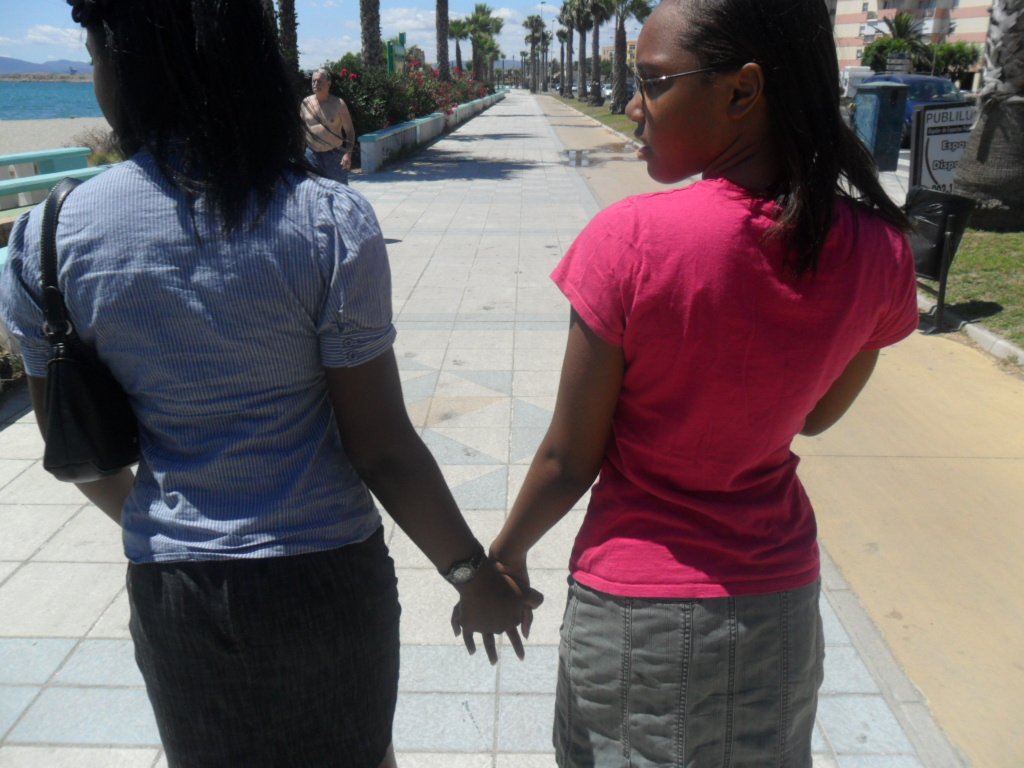
Forgiveness can therefore be conceptualized as a form of emotional regulation and self-liberation. It is an intrapersonal process that allows individuals to reclaim agency. When resentment diminishes, cognitive resources previously consumed by rumination become available for growth, connection, and resilience. The act of forgiveness reduces the stress response and promotes parasympathetic activation—the physiological state associated with calm and restoration.
Importantly, forgiveness does not negate accountability. One can forgive while still maintaining boundaries, seeking justice, or choosing not to reconcile. In clinical settings, forgiveness is often framed as a process rather than a single event. It may involve acknowledging the hurt, validating emotional responses, grieving the loss of what “should have been,” and gradually choosing to release the desire for retaliation or retribution.
As individuals experience this release, they often report increased emotional freedom, improved relationships, and a greater sense of inner peace. Because emotional states are socially contagious, a reduction in hostility and guardedness can positively influence relational dynamics. A more regulated and compassionate internal state tends to foster healthier communication, empathy, and connection with others.
Ultimately, the healing power of forgiveness lies in its capacity to interrupt cycles of stress and resentment. It transforms a past injury from a persistent emotional wound into an integrated life experience—one that informs but no longer controls. In this way, forgiveness becomes not an act of weakness, but a clinically supported pathway toward psychological resilience and holistic well-being.
Insert a spot for a video or two that I can insert once it is in my possession…